Window Tinting in North Jersey: What Most Drivers Get Wrong (And How to Do It Right)

February 13, 2026

If you think window tint is just about making your car look darker, you’re leaving money — and comfort

— on the table.
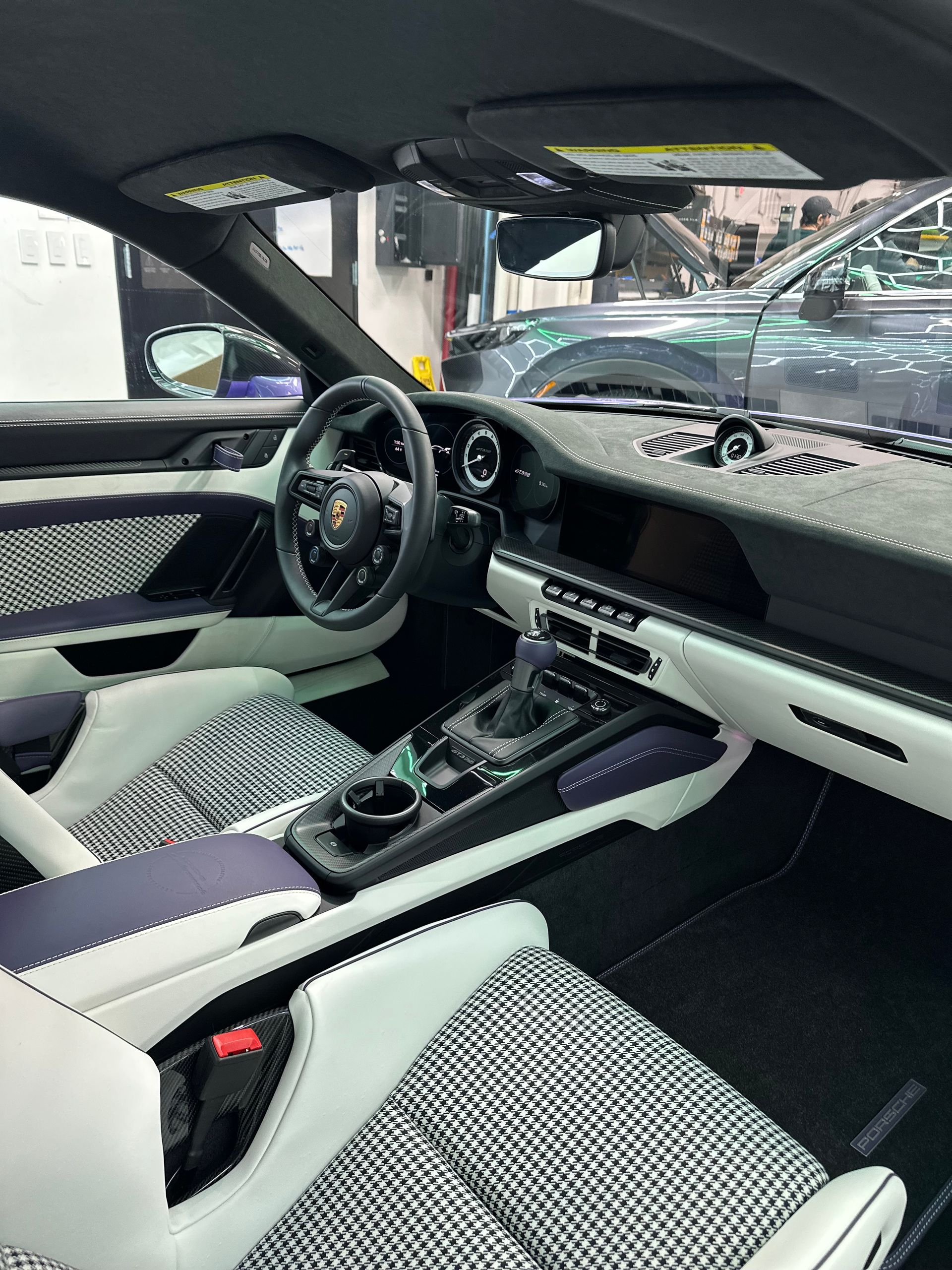
porsche_dashboard_windowtint

In North Jersey, tint isn’t a cosmetic upgrade. It’s a performance upgrade.

Between summer heat, highway glare, winter salt reflection, and constant sun exposure, your vehicle

takes a beating. The right window film changes your driving experience immediately — cooler cabin,

less eye strain, better privacy, and long-term interior protection.

At Supreme Auto Spa NJ, tint isn’t treated like an add-on. It’s installed like a precision upgrade


Why Window Tint Actually Matters in New Jersey


New Jersey drivers deal with:

•  Brutal summer cabin heat

•  Harsh glare during sunrise and sunset commutes

•  UV exposure that fades dashboards and leather

•  Privacy concerns in busy areas


Quality tint solves all of that — immediately.

And no, not all tint is created equal.


Carbon vs. Ceramic Tint: What’s the Real Difference?


Here’s the simple breakdown most shops won’t give you:


Carbon Tint

  •   Solid heat reduction
  •   Deep, rich color
  •   Budget-friendly
  •   No signal interference


Ceramic Tint

  • Significantly higher infrared heat rejection
  • Better clarity
  • Maximum UV protection
  • Premium long-term performance


If you want “it looks good,” carbon works.

If you want “my car feels 15° cooler,” ceramic wins.


At Supreme Auto Spa NJ, they install TintX systems engineered for real-world performance — not cheap

film that turns purple in two years.


The Biggest Concerns People Have (And the Truth)

“Will it be too dark?”


Shade choice is customizable. You don’t need limo tint to block heat. Many drivers choose

lighter windshield film for heat rejection without darkening visibility.


“Will I see clearly at night?”


High-quality ceramic film maintains optical clarity. Hazy visibility comes from low-grade installs

— not professional-grade film.


“Will it bubble or peel?”


Bubbling happens when prep is rushed. Proper cleaning, heat shrinking, and curing prevent that.

Installation quality matters more than brand hype.


What Tint Actually Does for Resale Value


UV rays destroy:


•  Leather seats

•  Dashboards

•  Door panels

•  Steering wheels


Replacing or restoring interior trim costs far more than installing quality tint.

Buyers notice clean interiors. Tint helps preserve that condition.


Is Ceramic Tint Worth the Upgrade?


If you plan to keep your car for more than 2–3 years, yes.

Ceramic tint can reject up to 90%+ infrared heat (depending on film choice), meaning:


•  Your AC works less

•  Your cabin cools faster

•  You’re not frying in traffic


You feel the difference within the first week.


Who Should Consider Window Tint?


•  Daily commuters

•  Parents with kids in the back

•  Anyone parking outside

•  Luxury vehicle owners

•  Work vehicle drivers

•  People who hate squinting at 5PM sun


In other words, almost everyone.


Mobile or In-Shop?


Supreme Auto Spa NJ offers both.

For quick installs and convenience, mobile works great.

For full coverage or complex glass, in-shop provides the most controlled environment.

Either way, you’re getting clean edges, proper curing, and film that actually lasts.


The Bottom Line


Window tint isn’t just about style.

It’s about comfort, protection, and long-term value.


Cheap tint looks good for six months.

Professional tint feels good for years.


If you’re in North Jersey and want it done once — and done right — get a quote from Supreme

Auto Spa NJ and choose the shade that fits your lifestyle.


Call Us

Contact Us

Supreme Auto Spa NJ - Blog
By Yousef Saleh May 23, 2026
This is a subtitle for your new post
By Yousef Saleh May 23, 2026
Published on Supreme Auto Spa NJ Blog New Jersey's humidity creates the perfect breeding ground for bacteria, mold, and unpleasant odors in your vehicle's interior. Combined with daily wear from commuting, beach trips, and family activities, your car's cabin can quickly become a less-than-pleasant environment. Professional interior detailing goes far beyond a quick vacuum, addressing the deep-seated issues that regular cleaning simply can't reach. Why New Jersey's Climate Demands Professional Interior Care Photo Description : Split image showing a neglected car interior with visible stains and dirt versus a professionally detailed interior with pristine upholstery New Jersey's coastal humidity, combined with temperature fluctuations, creates moisture that gets trapped in upholstery, carpeting, and air vents. This moisture, mixed with everyday contaminants like food particles, pet dander, and body oils, creates an environment where bacteria and mold thrive. Regular surface cleaning only addresses what you can see – professional detailing eliminates the hidden problems. The Hidden Contamination Problem: Bacteria in fabric fibers and foam padding Mold growth in air conditioning systems Embedded allergens in upholstery Grease and oils that attract more dirt Odor-causing compounds in carpet padding The Complete Interior Detailing Process Photo Description : Professional steam cleaning equipment in action on car upholstery, showing powerful extraction removing deep-seated dirt Step 1: Complete Interior Assessment Before beginning any cleaning process, we perform a comprehensive assessment of your vehicle's interior. This includes identifying fabric types, stain categories, odor sources, and any areas requiring special attention. Different materials require different cleaning approaches – what's safe for leather can damage vinyl, and what works on synthetic fabrics might harm natural fibers. Step 2: Pre-Treatment and Soil Breaking Photo Description : Close-up of cleaning solution being applied to heavily soiled car carpet, showing the chemical breaking down embedded dirt We apply specialized pre-treatments to break down different types of soiling: Enzyme treatments for organic stains (food, beverages, pet accidents) Solvent-based cleaners for grease and oil-based stains Alkaline cleaners for general soil and body oils Acid-based cleaners for mineral deposits and hard water stains These products are allowed to dwell and break down contaminants before the cleaning process begins, ensuring maximum soil removal. Step 3: Steam Cleaning and Hot Water Extraction Professional-grade steam cleaning equipment generates temperatures exceeding 200°F, which is essential for: Killing bacteria, viruses, and dust mites Breaking down grease and oil-based contaminants Sanitizing surfaces without harsh chemicals Reaching deep into fabric and foam padding Hot water extraction then removes the loosened soil, bacteria, and cleaning residues, leaving your interior truly clean rather than just superficially refreshed. Specialized Treatments for Different Materials Photo Description : Collage showing different interior materials being cleaned: leather conditioning, fabric protection application, and dashboard treatment Leather Care and Restoration New Jersey's humidity can cause leather to crack and fade prematurely. Our leather treatment process includes: pH-balanced cleaning to remove body oils and dirt Conditioning to restore flexibility and prevent cracking UV protection to prevent fading from sunlight Color restoration for severely faded leather Fabric and Upholstery Protection After deep cleaning, we apply fabric protection that: Repels liquids and prevents stain setting Reduces allergen accumulation Makes future cleaning more effective Extends the life of your upholstery Vinyl and Plastic Restoration Dashboard and trim pieces suffer from UV damage and humidity. Our restoration process: Removes embedded dirt and oils Restores original color and texture Applies UV protection to prevent future cracking Reduces glare for safer driving Addressing Persistent Odors Photo Description : Ozone generator machine inside a car interior, with visible ozone being dispersed throughout the cabin Odor Elimination vs. Masking Many car "fresheners" simply mask odors rather than eliminating them. Professional odor elimination targets the source: Enzyme Treatments: Break down organic odor-causing compounds at the molecular level Ozone Treatment: Oxidizes odor molecules
By Yousef Saleh May 23, 2026
Published on Supreme Auto Spa NJ Blog Your car's paint tells a story – unfortunately, in New Jersey, that story often includes chapters about road salt, UV damage, and countless automatic car wash encounters. Paint correction is the process that can rewrite your vehicle's story, restoring that showroom shine you thought was gone forever. Here's everything New Jersey car owners need to know about professional paint correction. What Is Paint Correction? Photo Description : Dramatic before and after split image showing heavily swirled black paint on one side and mirror-finish corrected paint on the other Paint correction is a meticulous process that removes imperfections from your vehicle's clear coat and paint layers. Unlike simple polishing or waxing that temporarily masks problems, paint correction actually removes damaged material to reveal the pristine paint underneath. This process addresses swirl marks, scratches, water etching, oxidation, and other imperfections that accumulate over time. Common Paint Issues in New Jersey Photo Description : Close-up macro shot showing various paint defects: swirl marks, scratches, and water spots under bright LED lighting New Jersey's unique environment creates specific challenges for vehicle paint: Winter Road Salt Damage: Road salt doesn't just cause rust – it can etch into paint and clear coat, creating permanent marks if not addressed quickly. These etching marks appear as small, crater-like imperfections that can't be removed with regular washing. Coastal Salt Air: For vehicles near the Jersey Shore, salt air accelerates oxidation and can cause paint to fade unevenly. This is particularly noticeable on red and blue vehicles, which are more susceptible to UV-related color changes. Automatic Car Wash Swirls: The convenience of automatic car washes comes at a cost. Those spinning brushes create thousands of micro-scratches that, over time, give your paint a cloudy, dull appearance, especially noticeable on darker vehicles. Tree Sap and Environmental Fallout: New Jersey's abundant trees drop sap, pollen, and other organic matter that can permanently bond to paint if left untreated. Industrial fallout from nearby cities also contributes to paint contamination. The Paint Correction Process Photo Description : Professional detailer using a dual-action polisher on car paint, with various cutting compounds and pads visible in the background Step 1: Assessment and Preparation Every paint correction job begins with a thorough assessment. We examine your vehicle under specialized lighting to identify all imperfections and determine the appropriate correction level needed. The vehicle is then washed, decontaminated with clay bar treatment, and masked to protect trim and non-painted surfaces. Step 2: Compounding (Heavy Correction) For severe imperfections, we start with cutting compounds and aggressive pads. This stage removes the most damaged clear coat material, eliminating deep scratches, heavy oxidation, and severe swirl marks. This step requires expertise to avoid removing too much clear coat. Step 3: Polishing (Fine Correction) Photo Description : Close-up of polishing pad and compound on paint surface, showing the removal of micro-scratches The polishing stage refines the paint surface, removing any marks left by compounding while bringing out maximum gloss and clarity. We use progressively finer polishes and pads to achieve that mirror-like finish. Step 4: Final Inspection and Protection After correction, we inspect every panel under various lighting conditions to ensure perfection. The final step involves applying protection – whether traditional wax, sealant, or ceramic coating – to preserve the correction work. Different Levels of Paint Correction Photo Description : Side-by-side comparison showing three stages: uncorrected paint, single-stage correction, and multi-stage correction results Single-Stage Correction: Removes 60-80% of paint imperfections with one polishing step. Ideal for newer vehicles with minor swirling or as a maintenance correction for previously corrected vehicles. Two-Stage Correction: Removes 85-95% of imperfections using compounding followed by polishing. This is the most common correction level for vehicles with moderate damage from daily driving. Multi-Stage Correction: Removes 95-99% of all imperfections through multiple compounding and polishing steps. Reserved for show cars, luxury vehicles, or severely damaged paint that owners want restored to perfection. When Paint Correction Is Necessary
More Posts